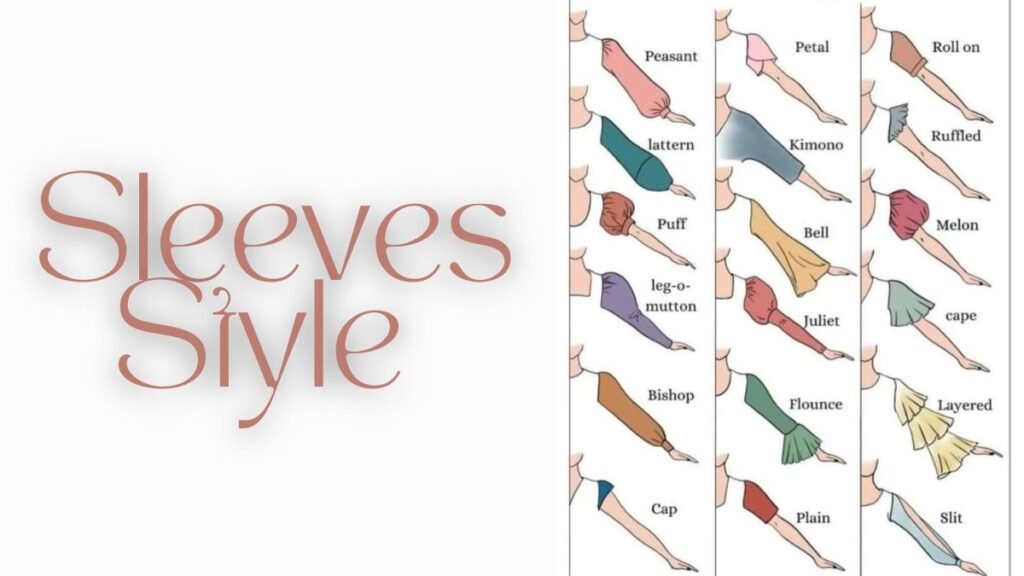
Fashion often looks simple on the surface, but small design elements can completely change how an outfit feels and looks. Sleeves are one of those quiet details that carry a lot of power. From everyday wear to luxury fashion, the right sleeve shape can enhance movement, add personality, and balance proportions. Understanding different sleeves is not just helpful for designers, but also for shoppers who want clothing that truly suits them. This guide breaks down sleeve styles in a clear, practical way so you can recognize quality design and make smarter style choices with confidence.
Why Sleeve Design Matters More Than You Think
Sleeves are not just functional parts of a garment; they shape the overall silhouette and influence how fabric flows on the body. A well-designed sleeve can make an outfit look structured, romantic, bold, or relaxed without changing the rest of the clothing. Designers often use sleeve construction to highlight trends, create movement, or add cultural meaning to garments. When you understand sleeve design, you also understand why some outfits feel flattering while others feel awkward, even when the size is correct.
Comfort is another reason sleeve design matters. The cut and length affect arm mobility, airflow, and seasonal suitability. Loose sleeves offer breathability in warm climates, while fitted styles provide warmth and polish in cooler weather. Knowing how sleeves function helps you choose clothing that feels as good as it looks throughout the day.
Classic Sleeve Styles That Never Go Out of Fashion
Many sleeve designs have survived decades because they balance style and practicality. Straight sleeves, cap sleeves, and set-in sleeves remain popular due to their versatility and clean appearance. These styles work well across casual, formal, and professional wardrobes, making them reliable choices for everyday wear. Their timeless nature allows them to adapt easily to modern trends without losing relevance.
What makes classic sleeves so enduring is their ability to flatter a wide range of body types. They do not overpower the outfit, and they pair effortlessly with different necklines and fabrics. Fashion cycles may introduce bold variations, but these traditional sleeves always return, proving that simplicity often delivers the strongest visual impact.
Modern Fashion and the Rise of Statement Sleeves
Contemporary fashion has embraced sleeves as a focal point rather than a background detail. Designers now experiment with volume, texture, and structure to create garments that stand out instantly. Balloon sleeves, dramatic flares, and sculpted shapes are widely used to add artistic expression and runway appeal. These styles turn simple outfits into statement pieces without relying on heavy accessories.
The popularity of bold sleeves also reflects changing fashion attitudes. People now value individuality and expressive design more than strict rules. By exploring different sleeves, modern fashion allows wearers to communicate personality, creativity, and confidence through subtle design choices that still feel wearable in daily life.
Choosing the Right Sleeves for Body Shape and Comfort
Selecting the right sleeve style can visually balance your proportions and improve comfort. For example, fitted sleeves highlight arm shape and suit structured outfits, while loose sleeves create a softer, more forgiving silhouette. Length also plays a role, as shorter sleeves can emphasize shoulders, while longer styles elongate the arms.
Fabric choice works hand in hand with sleeve design. Stiff materials hold dramatic shapes, while soft fabrics create flow and ease. When sleeves align with your lifestyle, climate, and body type, clothing feels natural rather than restrictive. Learning how different sleeves interact with fabric and fit empowers you to dress with intention rather than following trends blindly.
Cultural Influence on Sleeve Styles Across Fashion History
Sleeve designs often reflect cultural traditions and historical periods. From kimono sleeves in Japanese attire to flowing bell sleeves in traditional South Asian clothing, sleeves carry symbolic and functional meaning. These designs were influenced by climate, social norms, and craftsmanship techniques passed down through generations.
Modern designers frequently reinterpret traditional sleeves to create fusion fashion that respects heritage while embracing contemporary aesthetics. This blending of old and new keeps fashion evolving while honoring its roots. By understanding the background of different sleeves, you gain a deeper appreciation for clothing beyond surface-level trends.
Sleeves as a Key Detail in High-End and Everyday Wear
Luxury fashion pays close attention to sleeve construction because it signals quality and craftsmanship. Precise stitching, balanced proportions, and thoughtful design elevate garments from ordinary to premium. Even minimal outfits rely on sleeve details to create distinction and refinement.
At the same time, everyday fashion brands use sleeves strategically to offer variety without redesigning entire collections. A simple change in sleeve shape can refresh a familiar style and attract new audiences. This proves that sleeves remain one of the most effective tools in fashion design, whether for high-end couture or affordable daily wear.
Conclusion
Sleeves may seem like a small detail, but they hold enormous influence over comfort, style, and self-expression. From timeless classics to bold modern designs, understanding different sleeves helps you make informed fashion choices that feel personal and polished. When you start noticing sleeve design, you begin to see clothing differently, appreciating the craftsmanship behind every garment. Fashion becomes less about trends and more about thoughtful details that truly work for you.
FAQS
What are the most common sleeve styles used today?
The most common styles include straight sleeves, fitted sleeves, and loose sleeves, as they work well across casual and formal wear.
How do sleeves affect the overall look of an outfit?
Sleeves influence silhouette, balance, and movement, often defining whether an outfit feels structured, relaxed, or dramatic.
Are statement sleeves suitable for everyday wear?
Yes, when balanced with simple clothing, statement sleeves can be stylish and wearable for daily outfits.
Do sleeve styles change with fashion trends?
Trends influence volume and shape, but many sleeve designs remain timeless and return in updated forms.
How can I choose sleeves that feel comfortable all day?
Focus on fabric, fit, and arm movement to ensure the sleeve design supports comfort along with style.