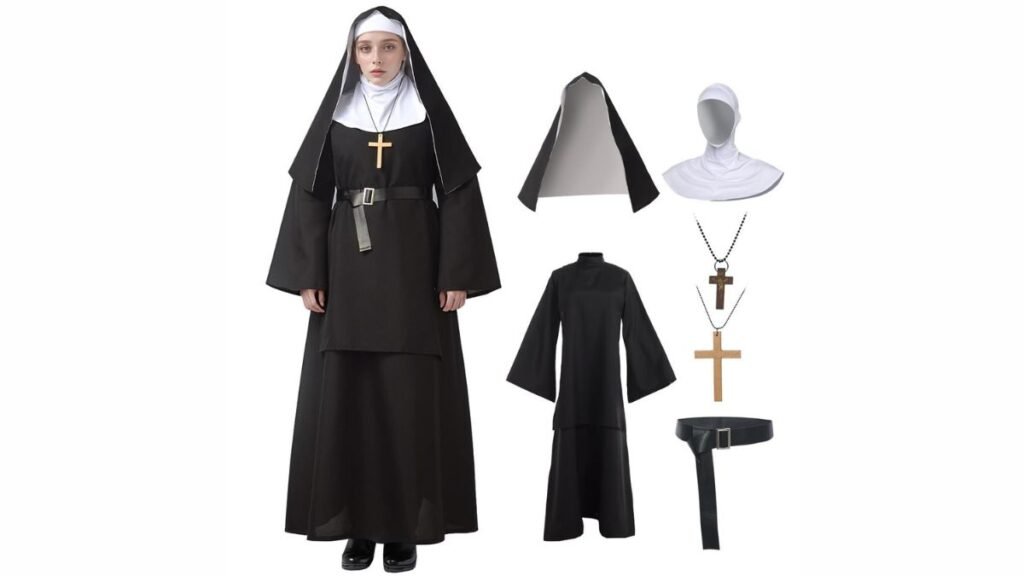
Religious clothing has always carried deep meaning, and few garments are as instantly recognizable as a nun’s habit. Over time, however, the image many people hold has evolved. Modern nun attire reflects a thoughtful balance between spiritual identity and the realities of present-day life. While devotion and humility remain at the heart of religious dress, today’s designs also consider comfort, mobility, climate, and social engagement. This evolution is not about abandoning tradition but about adapting it with care, purpose, and respect. Understanding how and why these changes occurred helps us appreciate the depth behind what might otherwise seem like a simple shift in clothing style.
The Historical Roots of Religious Dress
To understand contemporary styles, it is important to look back at the origins of the traditional habit. Early religious garments were inspired by everyday clothing worn by common people during specific historical periods. Over centuries, these outfits became symbols of vows, discipline, and separation from worldly concerns. Colors, veils, and tunics each carried symbolic meaning, often tied to humility, obedience, and service. As societies changed, the clothing of nuns remained relatively stable, preserving a visual link to centuries of faith. This strong historical foundation explains why any change in appearance is approached thoughtfully and often slowly.
Why Nun Clothing Began to Change
Several factors contributed to the evolution of religious dress in the modern era. Social change, increased involvement in education and healthcare, and practical needs played a major role. As nuns began working more actively in communities, schools, and hospitals, traditional heavy garments sometimes limited movement or comfort. Climate differences across regions also influenced adjustments, as clothing suitable for Europe did not always work well elsewhere. These practical concerns, combined with guidance from church leadership encouraging engagement with the world, opened the door for updated styles that still honored religious values.
Key Elements of Modern Nun Attire
Modern nun attire maintains modesty and symbolism while embracing simplicity and functionality. Fabrics are often lighter and easier to maintain, allowing for daily activities without distraction. Colors tend to be softer or more neutral, though many orders still preserve specific shades linked to their identity. Veils may be shorter or optional in certain communities, reflecting flexibility rather than uniformity. The overall appearance emphasizes humility and service, ensuring that clothing supports a nun’s mission instead of overshadowing it.
Balancing Tradition and Contemporary Life
One of the most meaningful aspects of updated religious clothing is how it bridges the past and present. While some people worry that change weakens tradition, many religious communities view adaptation as a way to stay connected to the people they serve. Wearing simpler clothing can make nuns appear more approachable and relatable, especially in social work or educational settings. At the same time, clear markers of religious identity remain, preserving a sense of continuity. This balance allows faith to remain visible while adapting to modern expectations and environments.
Cultural and Regional Influences
Religious clothing is not the same everywhere, and cultural context plays a significant role in its design. In warmer regions, lighter materials and breathable designs are common, while colder climates still require layered garments. Local customs and societal norms also influence how religious dress is perceived and adapted. In some cultures, traditional habits are highly respected symbols, while in others, simpler styles help avoid unnecessary attention. Modern nun attire reflects these regional differences, showing how global faith communities adapt thoughtfully without losing their core identity.
Public Perception and Media Influence
Media portrayals often shape how people view religious clothing, sometimes relying on outdated or exaggerated images. In reality, today’s styles are far more diverse than commonly assumed. Films, news stories, and social media have gradually begun to reflect this diversity, helping the public understand that religious life is not frozen in time. As people encounter nuns in everyday settings wearing contemporary clothing, misconceptions fade, replaced by a more nuanced understanding of faith lived in the modern world.
The Role of Simplicity and Sustainability
Another important aspect of contemporary religious dress is sustainability. Many religious communities prioritize ethical production, durability, and minimalism. Clothing is often designed to last for years, reducing waste and aligning with values of stewardship and care for the earth. Simple designs also reduce focus on appearance, reinforcing spiritual discipline. Modern nun attire therefore supports not only personal devotion but also broader ethical commitments that resonate strongly in today’s world.
Conclusion
The evolution of religious clothing tells a powerful story about faith, adaptability, and purpose. Modern nun attire is not a departure from tradition but a continuation of it, shaped by changing times and practical realities. By blending historical symbolism with contemporary needs, today’s styles allow nuns to live their vows fully while engaging actively with the world around them. This thoughtful balance reflects a living faith, one that honors its roots while remaining responsive to the present. In understanding these garments, we gain deeper respect for the dedication, humility, and wisdom behind every choice of cloth and design.
FAQs
What is modern nun attire?
It refers to updated religious clothing that maintains modesty and symbolism while offering greater comfort and practicality.
Do all nuns wear the same clothing today?
No, styles vary by religious order, region, and mission, reflecting both tradition and local needs.
Why did nun clothing change over time?
Changes were influenced by practical needs, climate, social roles, and guidance encouraging engagement with modern society.
Is traditional symbolism still present in modern designs?
Yes, most designs retain key symbols and values while simplifying form and materials.
Does modern clothing affect a nun’s religious identity?
No, identity is rooted in faith and vows, with clothing serving as a supportive expression rather than the defining element.