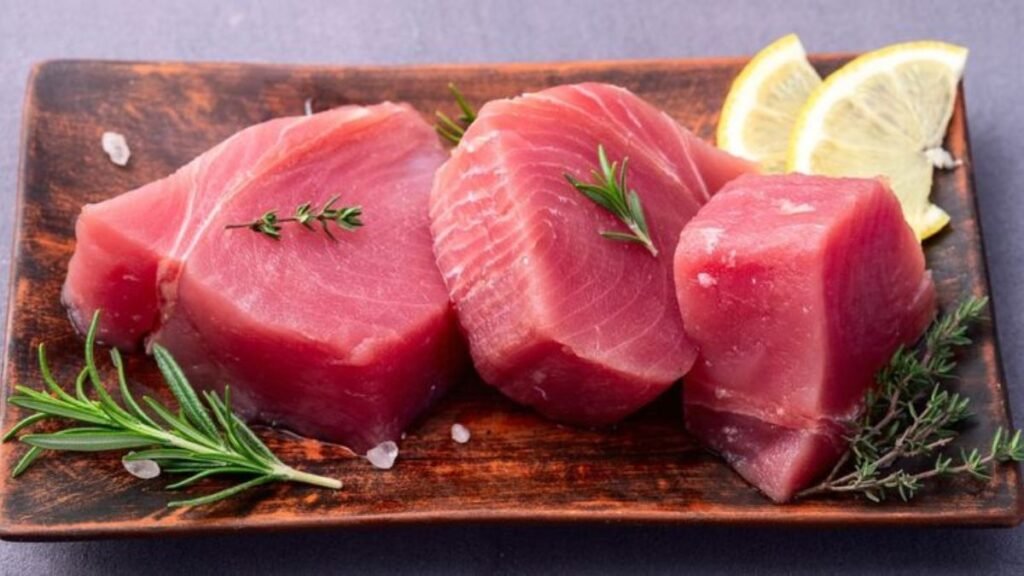
Seafood lovers across the world are becoming more conscious about what they eat, where it comes from, and how it impacts both health and the environment. Among the many ocean species gaining attention, listao tuna stands out as one of the most widely consumed and commercially significant fish globally. Known for its affordability, rich nutritional value, and versatility, this tuna variety plays a major role in global seafood markets and household kitchens alike.
This in-depth guide explores the origins, nutritional benefits, culinary uses, sustainability factors, and health implications associated with this popular fish. Whether you are a health-conscious consumer, a seafood enthusiast, or a content creator researching high-quality food topics, this article will give you everything you need to know in one place.
What Is Listao Tuna?
Listao tuna is commonly known as skipjack tuna, a fast-swimming species found in warm ocean waters around the world. It belongs to the Scombridae family and is scientifically classified as Katsuwonus pelamis. This species is easily recognized by its streamlined body and dark horizontal stripes on its lower sides.
Unlike larger tuna species such as bluefin or yellowfin, this variety matures quickly and reproduces in large numbers, making it one of the most sustainable tuna options available today. It is also the most commonly used fish in canned tuna products, accounting for a large portion of global tuna consumption
Nutritional Profile and Health Benefits
Rich in Protein and Essential Nutrients
This tuna variety is an excellent source of high-quality protein, making it ideal for muscle growth, tissue repair, and overall body maintenance. A single serving provides a substantial amount of lean protein without excessive calories.
It is also rich in important nutrients such as vitamin B12, niacin, selenium, and phosphorus. These nutrients support nerve function, energy production, and immune health.
Omega-3 Fatty Acids for Heart Health
One of the most valuable components of this fish is its omega-3 fatty acid content. These healthy fats are known to reduce inflammation, support cardiovascular health, and contribute to brain function. Regular consumption may help lower bad cholesterol levels and support overall metabolic balance.
Low in Mercury Compared to Other Tuna
Compared to larger tuna species, this variety generally contains lower mercury levels. This makes it a safer option for frequent consumption, especially for children, pregnant women, and individuals monitoring heavy metal intake.
Taste, Texture, and Culinary Appeal
Flavor Profile
The flavor of listao tuna is mild yet slightly robust, making it suitable for a wide range of culinary applications. It has a more pronounced taste than albacore but is less oily than bluefin, creating a balanced flavor that appeals to many palates.
Texture and Cooking Behavior
The flesh is firm but tender, allowing it to hold up well in various cooking methods such as grilling, searing, baking, or canning. When cooked properly, it remains moist and flaky without becoming dry.
Popular Culinary Uses Around the World
Canned and Preserved Forms
Most people encounter this tuna in canned form, packed in water, oil, or brine. It is a pantry staple used in salads, sandwiches, pasta dishes, and casseroles. Its long shelf life and affordability make it a global favorite.
Fresh and Frozen Preparations
In coastal regions, fresh or frozen cuts are commonly used in traditional dishes. It can be grilled with herbs, pan-seared with spices, or served lightly cooked in sushi-style preparations where freshness is paramount.
Traditional and Modern Recipes
From Mediterranean salads to Asian rice bowls, this fish adapts well to various cuisines. Chefs appreciate its ability to absorb marinades while maintaining its natural taste and structure.
Sustainability and Environmental Impact
Abundant and Fast-Growing Species
One of the key advantages of this tuna species is its rapid growth and high reproduction rate. These biological traits make it more resilient to fishing pressure compared to slower-growing tuna species.
Responsible Fishing Practices
Many fisheries now follow sustainable fishing practices such as pole-and-line fishing or regulated purse seine methods. These approaches help minimize bycatch and protect marine ecosystems.
Certification and Consumer Awareness
Eco-labels and sustainability certifications help consumers identify responsibly sourced products. Choosing certified options supports ocean conservation and encourages ethical fishing practices.
Comparison With Other Tuna Species
| Feature | Listao Tuna | Yellowfin Tuna | Bluefin Tuna |
| Size | Small to medium | Medium to large | Very large |
| Mercury Level | Low | Moderate | High |
| Price | Affordable | Moderate | Very expensive |
| Sustainability | High | Moderate | Low |
| Common Use | Canned, fresh | Fresh, steaks | Sushi, sashimi |
This comparison highlights why this species remains the most accessible and environmentally friendly choice for everyday consumption.
Health Considerations and Dietary Fit
This tuna fits well into many dietary lifestyles, including high-protein diets, Mediterranean diets, and calorie-conscious meal plans. It provides long-lasting satiety while being low in saturated fat.
People with seafood allergies should avoid it, and those with specific dietary restrictions should always check product labels for added ingredients or preservatives.
Economic Importance and Global Demand
The global seafood industry relies heavily on this species due to its consistent availability and broad consumer appeal. It supports millions of jobs across fishing, processing, transportation, and retail sectors.
Developing countries especially benefit from its trade, as it provides income opportunities and supports local economies while meeting international food demands.
Storage and Handling Tips
Fresh fish should be kept refrigerated and consumed within one to two days. Canned products should be stored in a cool, dry place and used before the expiration date for optimal quality.
Once opened, canned tuna should be transferred to an airtight container and refrigerated, ideally consumed within two days.
Conclusion
Listao tuna continues to play a vital role in global nutrition, sustainable fishing, and everyday cooking. Its impressive nutritional profile, mild flavor, and affordability make it a reliable choice for households and chefs alike. When sourced responsibly, it offers a balance between health, taste, and environmental responsibility that few seafood options can match.
As consumer awareness grows, choosing this tuna supports both personal wellness and the long-term health of our oceans. Whether enjoyed fresh, canned, or creatively prepared, it remains a staple worth appreciating in modern diets.
Frequently Asked Questions
What is listao tuna commonly used for?
It is most commonly used in canned tuna products, salads, sandwiches, and quick meals due to its affordability and balanced flavor.
Is listao tuna healthy to eat regularly?
Yes, it is rich in protein and omega-3s while being relatively low in mercury, making it suitable for regular consumption.
How does it differ from other tuna species?
It is smaller, more sustainable, and generally more affordable than species like bluefin or yellowfin.
Can it be eaten raw?
In some regions, very fresh and properly handled fish may be consumed raw, but it is more commonly eaten cooked or canned.
Is it environmentally friendly?
Yes, when sourced from responsible fisheries, it is considered one of the most sustainable tuna options available.